The Importance of Asking Questions to Understand Children
I was surprised to see how simple questions could reveal children’s thoughts and how clearly they expressed themselves.
This experience made me realize how important it is to ask them what they think, as we often underestimate their abilities and miss their perspectives.
Strategies Used by Second Graders for Worm Composting
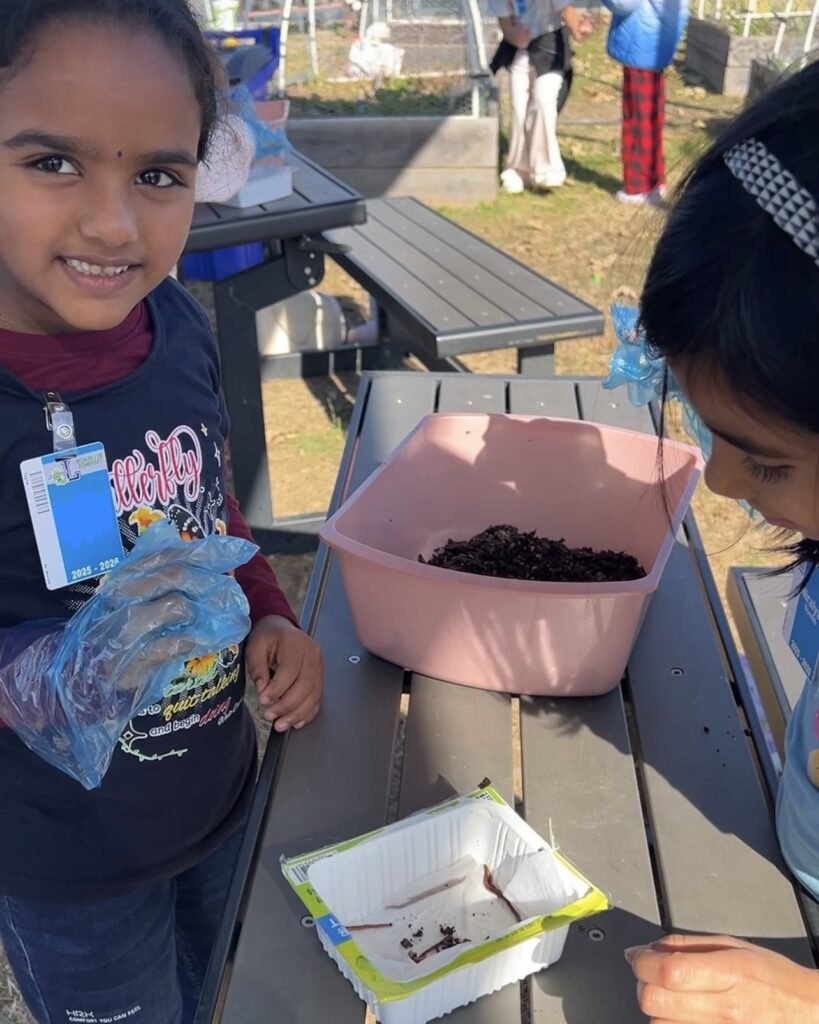
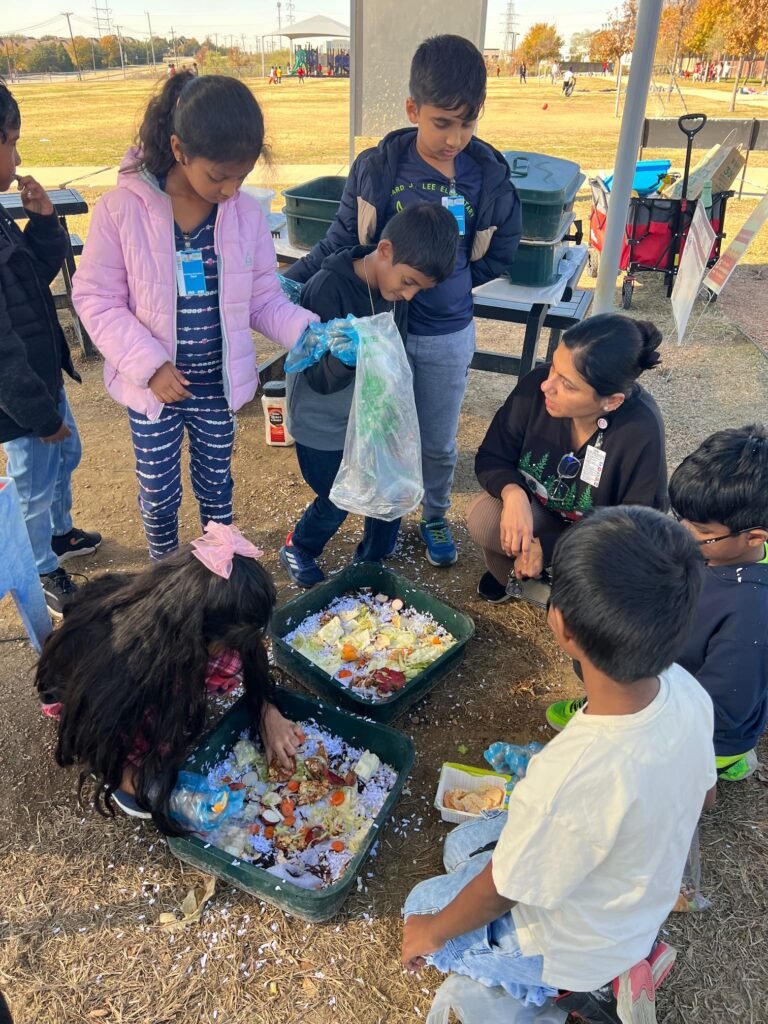
When a second-grade class tried worm composting, the students had to remove the worms from the finished compost. I demonstrated how to do this without providing any tips.
While they were working, one student began explaining to his friends how to spot the worms. Curious about his approach, I asked him again, and he shared his strategy. His friends also chimed in, describing their own methods.
I was impressed by how effectively they articulated and explained their own strategies.
Notice and Wonders of Fourth Graders on Onion Seedlings
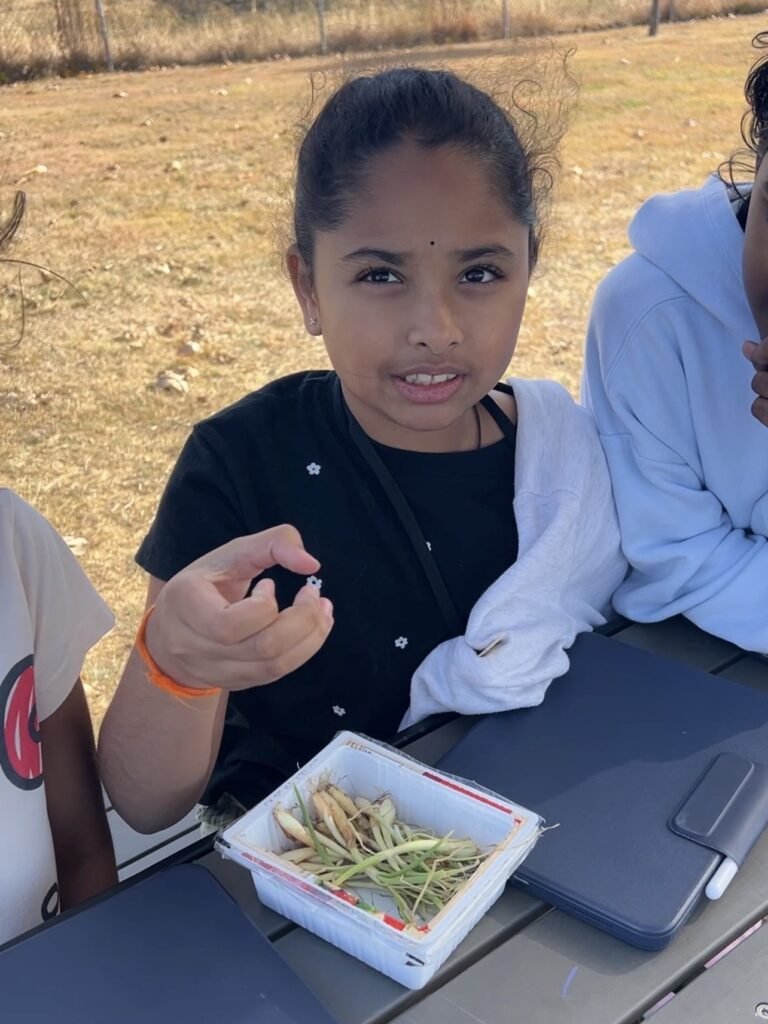
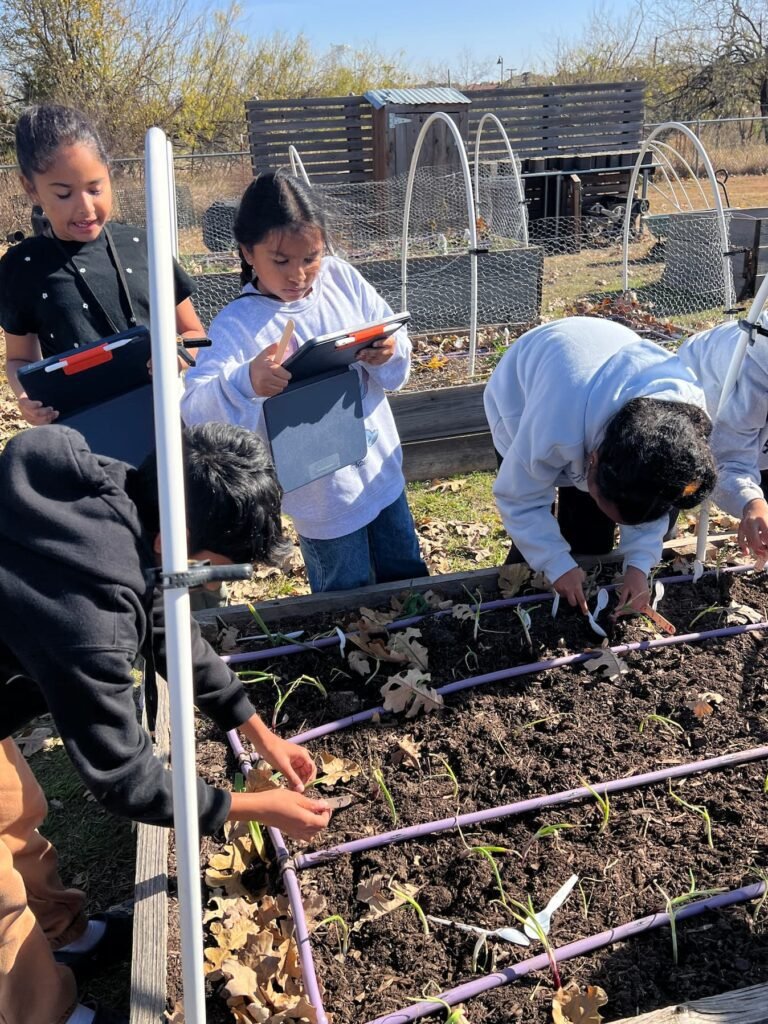
Before fourth-grade learners planted onion seedlings, I asked, “What do you notice about the seedlings?”
This was a very simple question, and honestly, I didn’t expect anything specific. I just wanted to know their thoughts, but their answers were quite interesting.
Some mentioned the color, noting, “It’s purple, but it’s called ‘red’ onions.” Another student observed chlorophyll forming, while yet another learner said, “It’s already growing without water and soil,” and wondered how long it would take to keep growing.
Understanding begins with listening
Are we asking children enough questions to truly understand them? More importantly, are we really listening to them amidst our busy schedules?
Often, we see a common pattern where adults talk, and children listen. My interactions with second- and fourth-grade learners have reminded me that listening to children is one of the most powerful ways to truly know them and show them respect.
And listening doesn’t mean saying yes to everything. It means taking their thoughts seriously, noticing what matters to them, and responding with care and clarity.
I aim to design learning experiences that begin with active listening, so we can understand children’s genuine thoughts and create space for their development.